Why Clean, Hand-Coded Web Architecture Beats Page Builders for Technical SEO, Security, UX, and Server Efficiency
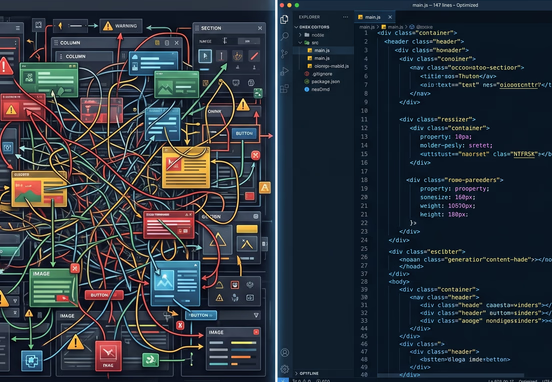
Consumer-grade visual page builders and monolithic theme frameworks have democratized basic web construction, allowing anyone to arrange visual blocks on a canvas. While this low barrier to entry serves early-stage validation experiments well, it introduces a severe technical compromise for high-growth enterprises. When software attempts to abstract the code layer, it can only do so by inserting massive layers of redundant, machine-generated scripts.
For a scaling business, your website is not a passive digital brochure; it is a critical piece of operational infrastructure. Relying on visual engines means your brand identity, customer acquisition pipelines, and digital security are bound to the limitations of third-party platforms. Moving beyond these frameworks toward high-performance custom development is an essential step for companies looking to dominate competitive digital spaces.
Building digital products with clean, hand-coded architecture means prioritizing raw performance and absolute control. When assessing a custom-built framework against standard WordPress configurations, the elimination of core theme and plugin bloat allows organizations to build faster, more secure interfaces. This intentional engineering strategy transforms a company's web presence from an ongoing administrative expense into a lean commercial asset.
Technical SEO: Domination of the Modern Crawl Pipeline
Search engine crawlers evaluate web applications based on structural efficiency, rendering speed, and semantic precision. Visual layout systems fail under these criteria because they rely on automated layout scripts that create deep Document Object Model (DOM) trees. Every time a visual editor nested row is added to modify a margin, multiple redundant container tags are forced into the source code.
This structural clutter directly impacts your crawl budget. When search engine spiders encounter a site choked with thousands of lines of junk code, they spend valuable energy parsing layout markup instead of indexing your core marketing text. Clean, custom-coded layouts use concise, semantic HTML tags that immediately communicate your information architecture to crawling algorithms.
Resolving Critical Core Web Vitals Liabilities
Modern search algorithms tie search positions directly to precise user experience measurements. The most critical of these metrics—Interaction to Next Paint (INP) and Largest Contentful Paint (LCP)—are routinely degraded by the heavy JavaScript bundles required to run visual drag-and-drop themes. When looking at how outdated page builders compromise mobile performance, it becomes clear that loading unnecessary scripts for sliders, parallax effects, and animation libraries causes mobile speed to suffer significantly.
By executing an engineered, custom front-end framework, your site eliminates render-blocking assets entirely. This ensures your platform achieves perfect performance marks right out of the gate. Ignoring these critical performance diagnostics can destroy your search visibility, a reality explored deeply in our analysis of Core Web Vitals and page speed vulnerabilities, which outlines how infrastructure lag damages local search acquisition.
To understand why custom architecture outperforms automated solutions, we can look at the raw structural output of each approach. A page builder generates bloated, complex nesting just to display a basic informational header:
<div class="page-builder-row id-9921" data-element="row">
  <div class="page-builder-column-100" data-element="column">
    <div class="widget-container padding-override-active">
      <div class="heading-wrapper-v2 text-center">
        <h2 class="element-title font-size-large">Our Enterprise Solutions</h2>
      </div>
    </div>
  </div>
</div>
In comparison, an expert engineer achieves the exact same visual layout using clean, semantic, single-layer HTML markup:
<h2 class="text-center">Our Enterprise Solutions</h2>
When multiplied across an entire website, this difference in code cleanliness saves megabytes of bandwidth, dramatically accelerates page rendering, and allows search engines to crawl your content without hitting technical roadblocks.

Hardening Corporate Assets Against Modern Threat Vectors
Popular monolithic platforms and third-party extensions represent the largest attack surface on the modern internet. Because visual development systems rely on an extensive ecosystem of community plugins to perform basic functions, they expose your entire enterprise database to severe security risks. Automated malicious bots constantly scan the web for unpatched code vulnerabilities in outdated third-party modules.
Hand-coded, custom architecture dramatically reduces this attack surface by eliminating dependency on open-source templates and third-party plugins. By writing clean code tailored specifically to your data collection requirements, you remove the common backdoors that hackers exploit. This deliberate development standard ensures your user records, transaction histories, and digital workflows remain protected.
Eliminating the Fragility of Continuous Patch Cycles
Managing a site built on consumer-tier themes requires a constant loop of software updates. When a patch is applied to a single component, it often triggers unexpected errors across other uncoordinated visual systems on the site.
┌────────────────────────────────────────────────────────┐
│               1. VULNERABILITY IDENTIFICATION          │
│  Critical XSS vulnerability discovered in form plugin  │
└───────────────────────────┬────────────────────────────┘
                            │
                            ▼
┌────────────────────────────────────────────────────────┐
│               2. EMERGENCY PATCH DEPLOYMENT            │
│   Admin applies immediate update to secure endpoints   │
└───────────────────────────┬────────────────────────────┘
                            │
                            ▼
┌────────────────────────────────────────────────────────┐
│                    3. SYSTEM COLLISION                 │
│  Updated software conflicts with page builder engine   │
└───────────────────────────┬────────────────────────────┘
                            │
                            ▼
┌────────────────────────────────────────────────────────┐
│               4. CONVERSION PIPELINE FAILURE           │
│  Lead gen pathway breaks on mobile, corrupting traffic │
└────────────────────────────────────────────────────────┘
Maintaining a resilient enterprise presence requires shifting away from this volatile upgrade cycle. Protecting client touchpoints from infrastructure breakdowns requires a foundational understanding of cyber security infrastructure basics for founders, which details how to properly clear browser warning errors and lock down corporate digital properties.

Interaction Engineering: Elevating the Consumer Journey
User experience (UX) is measured by how fluidly, intuitively, and reliably a visitor can navigate your digital asset. Page builders often struggle with layout consistency across different mobile screens. Because these layout engines attempt to automate responsive design calculations, they frequently cause text truncation, button overlapping, and unexpected layout shifts on non-standard device viewports.
Custom interface engineering addresses these issues by defining exact layout rules for every screen width. This meticulous attention to layout consistency eliminates frustrating visual bugs and builds deeper consumer trust. When a website responds instantly to user inputs without layout shifts, it confirms your brand's commitment to quality.
┌────────────────────────────────────────────────────────────────────────────────┐
│                        VISUAL PAGE BUILDER LAYOUT ENGINE                       │
└──────────────┬─────────────────────────┬─────────────────────────┬─────────────┘
               │                         │                         │
               ▼                         ▼                         ▼
     ┌──────────────────┐      ┌──────────────────┐      ┌──────────────────┐
     │   Bloated Code   │      │  Layout Shifts   │      │ Delayed Actions  │
     └─────────┬────────┘      └─────────┬────────┘      └─────────┬────────┘
               │                         │                         │
               └─────────────────────────┼─────────────────────────┘
                                         │
                                         ▼
┌────────────────────────────────────────────────────────────────────────────────┐
│                     HIGHER CUSTOMER ACQUISITION COSTS (CAC)                    │
└────────────────────────────────────────────────────────────────────────────────┘


┌────────────────────────────────────────────────────────────────────────────────┐
│                        CLEAN HAND-CODED WEB ARCHITECTURE                       │
└──────────────┬─────────────────────────┬─────────────────────────┬─────────────┘
               │                         │                         │
               ▼                         ▼                         ▼
     ┌──────────────────┐      ┌──────────────────┐      ┌──────────────────┐
     │  Lean Semantics  │      │  Fluid Layouts   │      │Instant Responses │
     └─────────┬────────┘      └─────────┬────────┘      └─────────┬────────┘
               │                         │                         │
               └─────────────────────────┼─────────────────────────┘
                                         │
                                         ▼
┌────────────────────────────────────────────────────────────────────────────────┐
│                     LOWER CUSTOMER ACQUISITION COSTS (CAC)                     │
└────────────────────────────────────────────────────────────────────────────────┘
When an interface provides an intuitive user journey, visitors stay on the site longer and convert at a much higher rate. This direct relationship between technical execution and business performance highlights the true cost of subpar web engineering. Investing in high-performance layouts is a proven method for optimizing marketing spend, as outlined in our study on how great user experience lowers customer acquisition costs.

Quantifying Infrastructure and Server Efficiencies
The multi-year operating cost of a company website is closely tied to its server utilization metrics. Page builders place an immense processing burden on hosting infrastructure, requiring continuous database lookups and heavy server-side processing to render a single page view. This structural inefficiency forces expanding businesses onto expensive, high-tier hosting plans just to handle standard traffic volumes.
Clean, custom-coded sites operate with minimal server strain. Because the source files exist in a ready-to-render state, the hosting server can deliver the requested data to the user's browser almost instantly. This lean execution model allows your platform to handle massive spikes in concurrent traffic without crashing or degrading the user experience.
| Operational Infrastructure Variable | Monolithic Page Builder Frameworks | Clean, Hand-Coded Architecture |
|---|---|---|
| Average Baseline Page Weight | 3.5MB to 8.0MB+ due to scripts | Less than 500KB fully optimized |
| Server-Side Database Requests | Continuous dynamic queries per session | Zero or minimal direct lookups |
| Concurrent Traffic Tolerance | Requires expensive scaling to avoid crashes | Handles heavy traffic spikes smoothly |
| Long-Term Asset Lifespan | Requires a total rebuild every few years | Highly adaptable, multi-year lifespan |
| Dependency Risks | Bound to third-party subscription terms | Complete ownership of the codebase |
Eliminating Long-Term Financial Liabilities
Choosing short-term convenience over engineering standards creates significant technical debt. Every quick fix, bloated template addition, and overlapping plugin layer introduces future operational liabilities. As your company scales, the cost of fixing an unoptimized visual template eventually outpaces the upfront price of professional development.
By building on a clean, hand-coded foundation from day one, your enterprise bypasses the costly loop of constant patches and emergency redesigns. You gain full ownership of your data pipelines and retain complete control over your brand’s presentation. To see how these system limitations can hurt expanding operations, explore our breakdown of the hidden costs of DIY page builders and templates, which details the long-term operational limits of mass-market platforms.
Operational Standard for Founders: A business website should be evaluated as an appreciating corporate asset, not a simple marketing expense. Building on a custom, hand-coded framework ensures your site remains highly adaptable, performant, and fully compatible with future software integrations.
Protecting your enterprise from technical limitations requires an experienced development partner who values code cleanliness and site performance. Our professional web design and development services are built to eliminate system bloat and deliver highly secure, custom digital applications. Investing in premium development positions your company to build authority, capture market share, and scale efficiently for years to come.